
From Farm to Artefact: The Unexpected Second Life of Ostrich Eggs
Ostrich eggs have long served as an unexpected canvas for artistic expression—a material steeped in natural beauty and cultural heritage. Although not widely adopted by mainstream designers today, these eggs have a rich history in local crafts and sustainable design practices.
A Sustainable By-Product
In ostrich farming, eggs are collected for consumption or breeding, and the eggshells themselves often become a by-product. Once the edible contents are used, these large, sturdy shells—sometimes hollowed and cleaned—offer a sustainable material for creative reuse. Repurposing what would otherwise be waste minimises environmental impact and brings a unique narrative to each artistic piece.
The Ostrich and Its Egg
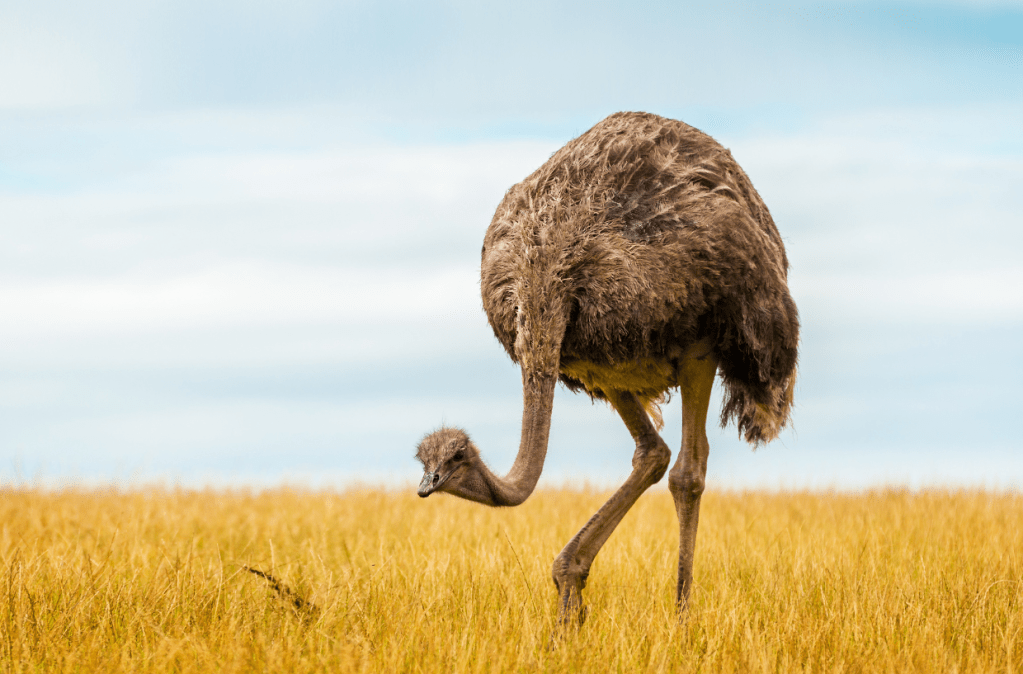
Native to Africa, the ostrich is the largest bird in the world. Known for its impressive speed and distinctive appearance, an ostrich egg can weigh around 1.4 kilograms—roughly equivalent to 20 to 24 chicken eggs. This sheer size, coupled with the eggshell’s textured surface, makes it a fascinating subject for both culinary and artistic endeavours. In the culinary world, ostrich eggs are prized for their rich flavour and versatility, often featured in gourmet dishes ranging from hearty omelettes to unique baked specialties. Beyond the kitchen, their naturally durable and patterned shell has been embraced by artisans and designers alike, serving as a canvas for intricate carvings, decorative pieces, and even functional objects.
Animal and Art: A Broader Perspective
The integration of animal materials in art is not new. Indigenous cultures, for instance, have long used feathers in the creation of ceremonial masks and headdresses, celebrating nature’s bounty with intricate craftsmanship. Similarly, in regions where ostriches roam free, local artisans have embraced the eggshell as a medium for carving, painting, and even fashioning decorative objects. Antique pieces featuring carved ostrich eggs highlight a tradition of transforming natural remnants into cultural artifacts—a practice that continues to inspire sustainable design today.
A Glimpse into Local Traditions
While contemporary design rarely centers on ostrich eggs, these natural canvases hold a cherished place in the arts of regions where ostriches are native. Local craftsmen have traditionally carved and adorned ostrich eggs to create everything from ceremonial vessels to unique decorative pieces. These vintage creations offer a window into a past where the interplay between nature and art was both a necessity and a celebration of the environment.
Whether used as a sustainable by-product or celebrated through local craft traditions, the ostrich egg continues to inspire creativity, reminding us that true art often comes from nature’s own designs.
Sources:
- The Cornell Lab of Ornithology. Ostrich (Struthio camelus) Overview.
- National Geographic. Ostrich Facts: The World’s Largest Bird.
- The British Museum. Vessel; decorated egg.

 Material Lights