
Wood: A Timeless Material in Swedish Tradition and Contemporary Design
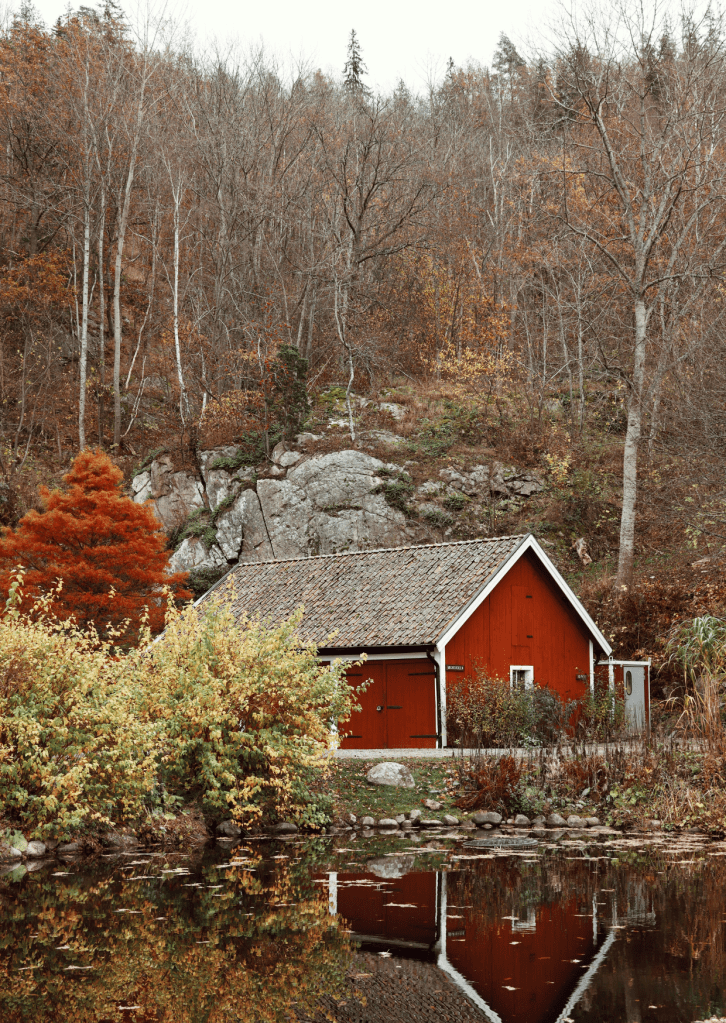
Wood is not merely a building material—it is a living legacy that weaves together centuries of craftsmanship, culture, and innovation. In Sweden, timber has long served as the backbone of homes, furniture, and public spaces, forming an integral part of the nation’s identity. From the rustic charm of timbered houses to iconic symbols like the carved Dala horses, wood has continuously inspired creative expression and practical design.
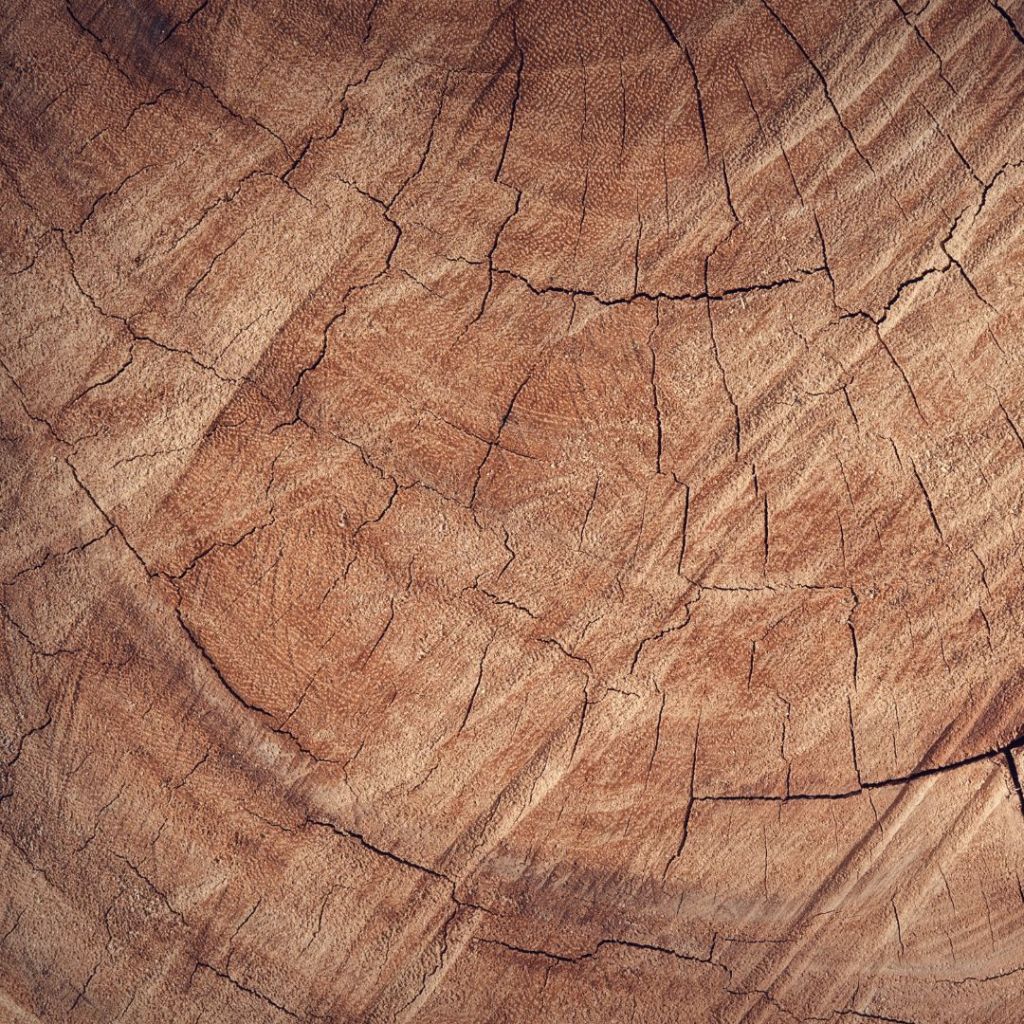
The diversity of wood is astonishing. Each species carries its own personality: the light, subtle hues of maple with its fine, uniform grain contrast sharply with the deep, rich patterns found in walnut, while Swedish oak—nurtured in the cool, steady climates of the region—offers remarkable strength and density. The conditions in which these trees grow, from soil quality to climate, shape their unique properties, influencing everything from appearance to workability and durability.
Beyond its inherent qualities, the way wood is treated and finished adds another layer of creativity. Traditional methods like oiling and waxing enhance wood’s natural texture, while more dramatic techniques, such as charring the surface—a method known as Shou Sugi Ban originating in Japan—create striking, textured finishes that are both protective and visually compelling. Modern approaches, such as the two-tone technique embraced by designers, combines contrasting finishes to transform the wood’s natural texture, resulting in visually dynamic pieces that celebrate both tradition and innovation.
Wood’s relevance extends well beyond its role in artisanal craftsmanship. In modern sustainable building, timber is celebrated not only for its aesthetic appeal but also for its environmental benefits. Swedish architecture, for instance, has increasingly embraced wood for its capacity to sequester carbon and its renewable nature, making it a cornerstone in the drive toward greener construction practices. This dual role in both art and sustainable building illustrates wood’s continued evolution as a material that meets the demands of contemporary design.
Sustainability remains a significant challenge in the wood industry. While initiatives exist across Scandinavia, Europe, and around the world to promote responsible wood harvesting practices that protect ecosystems, support local communities, and honor centuries-old traditions, achieving truly sustainable forestry is an ongoing effort. Initiatives like these, combined with growing consumer awareness, are essential in tackling the complex issues of overharvesting and deforestation, ensuring that wood remains a renewable resource for future generations.
Sources
- Swedish Forest Agency. “Wood in Sweden: Tradition and Innovation.”
- Fiell, Charlotte, and Peter Fiell. Scandinavian Design. Taschen, 2013.
- Swedish National Heritage Board. “Dala Horses: Symbols of Swedish Craftsmanship.”
- House Beautiful. “Shou Sugi Ban: The Japanese Art of Preserving Wood.”
 Material Lights