
Acrylic: A Modern Material for Craft and Design
Acrylic, or polymethyl methacrylate (PMMA), is a versatile and transparent thermoplastic that has become a staple in both functional and artistic design. Known for its clarity, durability, and ease of fabrication, acrylic offers unique qualities that make it a favorite material among designers, especially in modern art and lighting. Whether used in sculptures, home décor, or statement lighting pieces, acrylic bridges the gap between innovation and aesthetic appeal.
Originally developed in the early 20th century, acrylic quickly earned its place in applications that demanded clarity and strength, such as aircraft windshields and submarine periscopes. Its use expanded beyond military applications in the post-war period, with designers embracing the material for its lightness, impact resistance, and ability to be molded into various forms. Today, acrylic is integral to contemporary art, interior design, and lighting, often used to create objects, from furniture pieces to lighting fixtures and geometric sculptures that play with light and shadow.
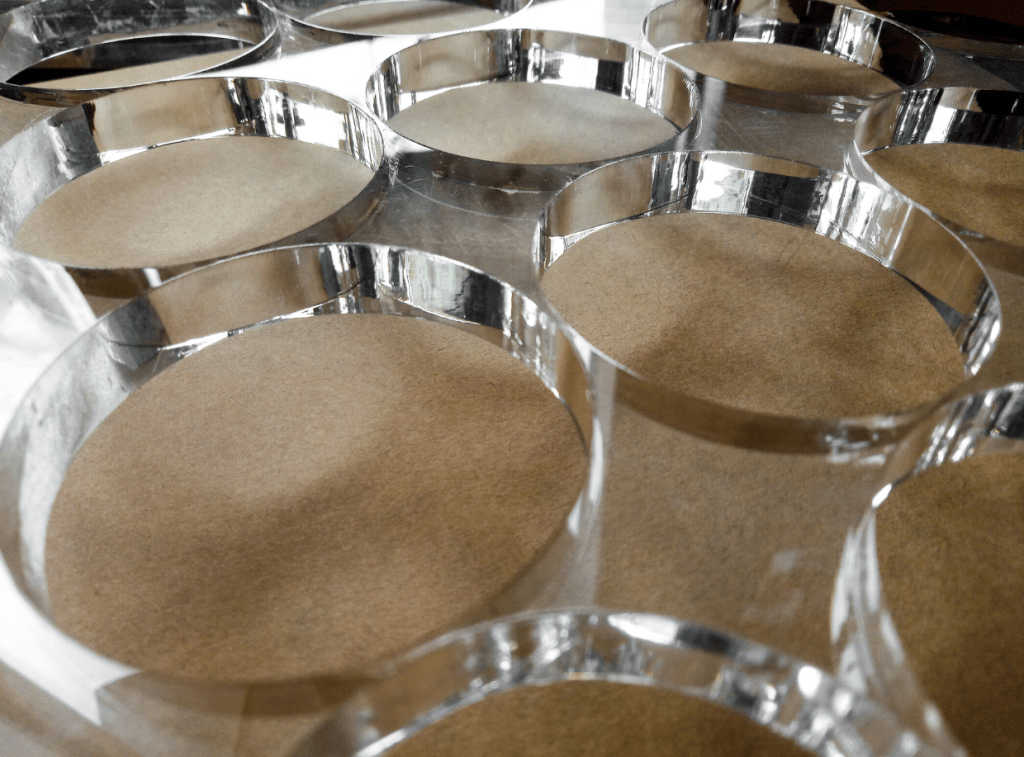
One of the reasons acrylic remains so popular in the design world is its optical clarity. It allows up to 92% of light to pass through, making it ideal for applications where clarity and brightness are essential. This quality makes acrylic particularly suited for designs where light contributes to the artwork itself. Whether it’s a glowing fixture casting soft, diffused light or a bold geometric form that plays with the angle of light, light may add a layer of interest to the design.
But acrylic isn’t just about transparency. It’s a dynamic material that can be easily molded, sculpted, and heat-treated into striking shapes and designs. Utilising heat guns or blowtorches enables designers to manipulate the material. The heat causes air or volatile substances trapped inside the acrylic to expand, creating bubbles. This may be embraced as part of the material’s unique texture and character—each piece, with its dynamic texture, becomes one of a kind, adding a sense of spontaneity and individuality to the work.
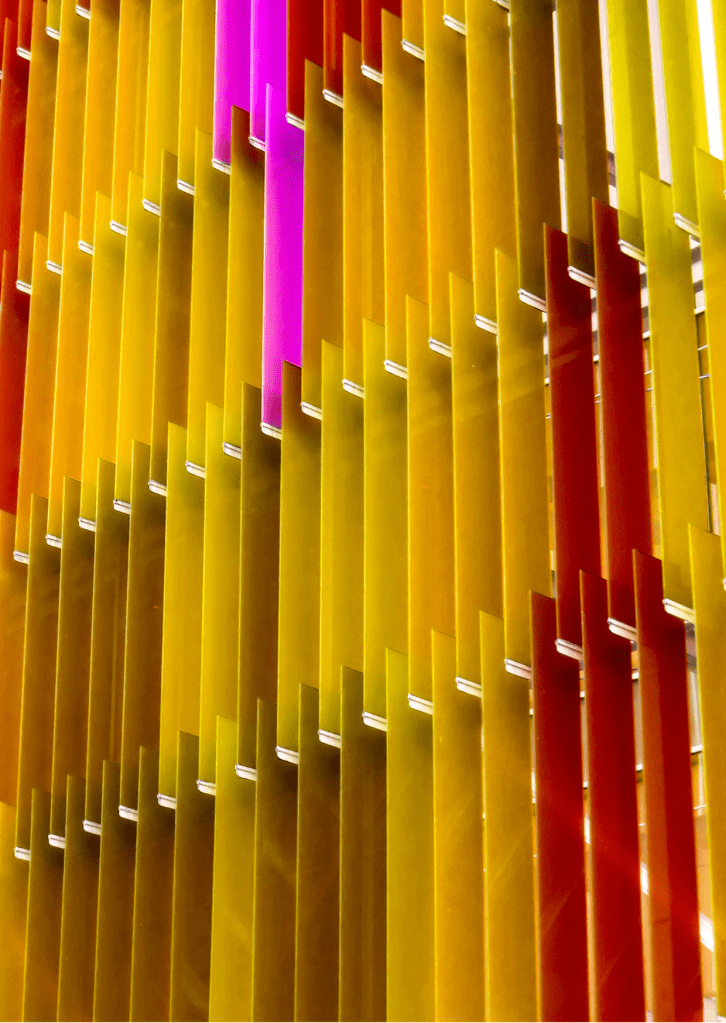
Acrylic’s versatility also extends to color. While it is most commonly clear, acrylic can be tinted and finished in a wide range of colors, offering designers even more flexibility when crafting pieces that are both functional and striking. From translucent hues to vibrant tones, acrylic provides endless possibilities for creative expression.
When comparing acrylic to glass, the differences are clear. Acrylic is much lighter than glass, which makes it easier to handle, especially for large installations. It’s also more shatter-resistant, breaking into larger pieces that are less dangerous than glass shards. While glass may offer superior scratch resistance, acrylic has the advantage of being far easier to mold and shape into intricate forms. This makes acrylic a go-to material for custom, made-to-order designs, from sleek light fixtures to one-off art pieces.
Acrylic’s lower melting point compared to glass also allows for more freedom in shaping and molding. Artists and designers often use this property to create fluid shapes that are impossible to achieve with more rigid materials like glass.
In the world of modern art and design, acrylic’s unique blend of properties offers boundless possibilities. As an ever-evolving material, it continues to inspire artists, designers, and manufacturers alike, opening up new frontiers for creativity. From its use in art installations to its role in lighting design, acrylic is a modern material that invites innovation in craftsmanship.
Sources
- Acme Plastics. “30 Amazing Acrylic (PMMA) Plastic Facts and Figures.” Acme Plastics
- American Acrylics. “Acrylic vs. Glass.” American Acrylics
 Material Lights